
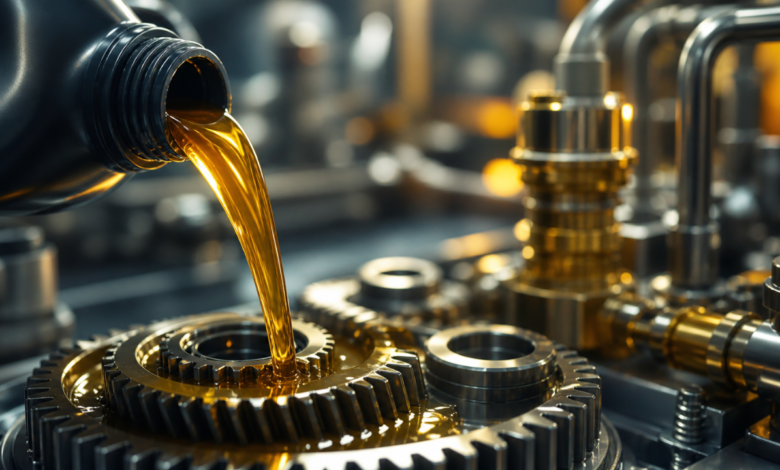
In today’s rapidly evolving industrial landscape, certain materials and compounds quietly play a critical role behind the scenes. One such term gaining attention is obernaft. Whether you’ve encountered it in technical discussions, industrial reports, or niche markets, understanding what obernaft is—and why it matters—can give you valuable insight into modern applications.
This guide breaks down everything you need to know about obernaft in a clear, practical, and reader-friendly way.
What Is Obernaft?
Obernaft is a specialized term commonly associated with petroleum-based derivatives or refined industrial compounds. While the exact definition may vary depending on the context or region, it is generally linked to refined hydrocarbon substances used in manufacturing, lubrication, and chemical processing.
In simple terms, obernaft can be thought of as a processed oil-based compound designed for specific industrial purposes.
Key Characteristics of Obernaft
Understanding obernaft begins with its core properties. These characteristics are what make it useful across various industries:
- High stability under different temperatures
- Low volatility, making it safer for controlled environments
- Strong lubrication properties
- Chemical resistance, suitable for harsh conditions
- Versatile composition, adaptable for multiple uses
These qualities make obernaft an important material in sectors where performance and reliability are essential.
Common Uses of Obernaft
Obernaft is not limited to a single application. Its flexibility allows it to serve multiple industries effectively.
1. Industrial Lubrication
One of the most common uses of obernaft is in lubrication systems. It helps reduce friction between machinery parts, improving efficiency and extending equipment lifespan.
2. Chemical Manufacturing
Obernaft is often used as a base or intermediate compound in the production of:
- Solvents
- Synthetic materials
- Coatings and resins
3. Energy Sector Applications
In the energy industry, obernaft may be utilized in:
- Fuel processing
- Heat transfer systems
- Equipment maintenance
4. Automotive Industry
Obernaft contributes to the performance of various automotive products, including:
- Engine oils
- Transmission fluids
- Industrial greases
5. Specialized Industrial Processes
Some industries rely on obernaft for niche applications such as:
- Metal processing
- Textile treatment
- Plastic manufacturing
Benefits of Using Obernaft
Why do industries choose obernaft over other materials? The answer lies in its advantages.
Efficiency and Performance
Obernaft enhances operational efficiency by minimizing wear and tear on machinery. This leads to smoother performance and fewer breakdowns.
Cost-Effectiveness
Because it reduces maintenance needs and extends equipment life, obernaft can lower long-term operational costs.
Versatility
Its adaptable composition allows it to be used across different sectors, reducing the need for multiple specialized materials.
Reliability
Obernaft performs consistently under extreme conditions, making it a dependable choice for demanding environments.
Comparison Table: Obernaft vs Other Industrial Compounds
| Feature | Obernaft | Standard Lubricants | Synthetic Fluids |
|---|---|---|---|
| Temperature Stability | High | Moderate | Very High |
| Cost | Moderate | Low | High |
| Durability | High | Medium | Very High |
| Versatility | High | Limited | Moderate |
| Maintenance Impact | Low | Medium | Low |
This comparison highlights how obernaft strikes a balance between performance and cost.
How Obernaft Is Produced
The production of obernaft typically involves refining and processing crude oil derivatives. While the exact process may vary, it generally includes:
- Distillation – Separating crude oil into fractions
- Refinement – Removing impurities
- Blending – Adjusting chemical composition for specific uses
- Quality Testing – Ensuring consistency and safety
Each step is carefully controlled to produce a high-quality end product.
Environmental Considerations
As with any petroleum-based product, environmental impact is an important topic.
Positive Aspects
- Efficient use reduces waste
- Long lifespan lowers consumption frequency
Challenges
- Potential environmental hazards if not handled properly
- Requires responsible disposal and recycling practices
Many industries are now working toward eco-friendly alternatives or improved formulations to reduce environmental impact.
Tips for Choosing the Right Obernaft Product
If you’re considering using obernaft, selecting the right type is crucial.
Key Factors to Consider
- Application requirements – What is it being used for?
- Temperature range – Will it face extreme heat or cold?
- Viscosity needs – Thicker or thinner formulation?
- Compatibility – Must work with existing materials or systems
Quick Checklist
- ✔ Check manufacturer specifications
- ✔ Verify industry standards
- ✔ Ensure proper storage conditions
- ✔ Confirm safety compliance
Future Trends and Innovations
Obernaft continues to evolve as industries demand better performance and sustainability.
Emerging Trends
- Development of low-emission formulations
- Integration with smart lubrication systems
- Increased focus on biodegradable alternatives
These innovations aim to maintain performance while reducing environmental impact.
Frequently Asked Questions (FAQs)
1. What exactly is obernaft used for?
Obernaft is mainly used in industrial applications such as lubrication, chemical manufacturing, and energy processing. Its versatility makes it suitable for multiple sectors.
2. Is obernaft safe to use?
Yes, when handled according to safety guidelines. Proper storage, usage, and disposal are essential to ensure safety.
3. How is obernaft different from regular oil?
Obernaft is typically more refined and engineered for specific industrial purposes, offering better stability and performance than standard oils.
4. Can obernaft be environmentally friendly?
While traditional forms are petroleum-based, newer formulations aim to reduce environmental impact through improved efficiency and biodegradability.
5. Is obernaft expensive?
It generally falls into a moderate price range. However, its long-term benefits often make it cost-effective compared to cheaper alternatives.
6. Where can I find obernaft products?
Obernaft products are usually available through industrial suppliers, chemical distributors, and specialized manufacturers.
Final Thoughts
Obernaft may not be a widely recognized term outside industrial circles, but its importance cannot be overlooked. From improving machinery performance to supporting complex manufacturing processes, it plays a vital role in modern industry.
Its combination of efficiency, reliability, and versatility makes it a valuable resource across multiple sectors. As technology advances, obernaft is likely to evolve further, offering even more sustainable and high-performance solutions.
Also Read: Connor Storrie SNL: Rising Talent, Comedy Style, and What to Expect





One Comment