
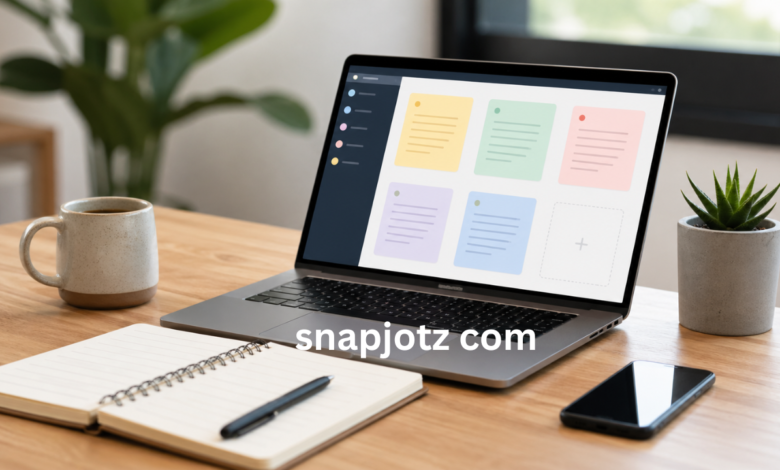
In today’s fast-paced digital world, people are constantly searching for tools that simplify content creation, sharing, and organization. One platform that has been gaining attention recently is snapjotz com. Whether you’re a student, professional, or content creator, understanding how this platform works can help you streamline your workflow and boost productivity.
This guide explores everything you need to know about snapjotz com—its features, benefits, usability, and why it’s becoming a popular choice among users.
What is Snapjotz com?
Snapjotz com is an online platform designed to help users quickly capture, organize, and share information. Think of it as a modern digital notebook combined with smart productivity tools.
It allows users to:
- Take quick notes
- Save ideas instantly
- Organize content efficiently
- Share information with others
The platform is especially useful for individuals who need a fast and reliable way to manage thoughts, tasks, or digital content without complexity.
Key Features of Snapjotz com
Understanding the core features of snapjotz com will help you make the most of it. Here are some of the standout functionalities:
1. Quick Note Capture
Snapjotz com allows users to instantly jot down ideas without distractions. The interface is clean and intuitive, making it easy to focus on what matters.
2. Cloud-Based Access
Since it operates online, your data is accessible from anywhere. Whether you’re using a laptop, tablet, or smartphone, your notes stay synced.
3. Smart Organization Tools
You can categorize notes using tags, folders, or labels, making it easy to retrieve information later.
4. Sharing and Collaboration
Snapjotz com enables users to share notes with others, making it ideal for teamwork and collaboration.
5. Minimalist Design
Unlike cluttered apps, snapjotz com focuses on simplicity. This helps reduce distractions and improves productivity.
Benefits of Using Snapjotz com
Why should you consider using snapjotz com? Here are some clear advantages:
- Saves Time: Quick note-taking reduces the time spent organizing thoughts.
- Improves Productivity: Keeps everything in one place.
- Easy Accessibility: Access your notes anytime, anywhere.
- User-Friendly: No steep learning curve.
- Flexible Usage: Suitable for students, professionals, and creatives.
How Snapjotz com Works
Using snapjotz com is straightforward. Here’s a step-by-step breakdown:
Step 1: Access the Platform
Visit the official website and sign up or log in.
Step 2: Create a Note
Click on the “New Note” option and start typing your content.
Step 3: Organize Your Content
Add tags or categories to keep your notes structured.
Step 4: Save and Sync
Your notes are automatically saved and synced across devices.
Step 5: Share if Needed
You can share notes via links or collaboration features.
Snapjotz com vs Traditional Note-Taking Methods
Here’s a comparison to help you understand how snapjotz com stands out:
| Feature | Snapjotz com | Traditional Notes |
|---|---|---|
| Accessibility | Anywhere (online) | Limited (physical) |
| Organization | Tags & folders | Manual sorting |
| Sharing | Instant | Difficult |
| Backup | Automatic | Risk of loss |
| Collaboration | Supported | Not possible |
This table clearly shows why digital tools like snapjotz com are becoming more popular than traditional methods.
Who Should Use Snapjotz com?
Snapjotz com is versatile and can be used by a wide range of users:
Students
- Take lecture notes
- Organize study materials
- Save research ideas
Professionals
- Manage tasks and meetings
- Store important information
- Collaborate with teams
Content Creators
- Capture ideas instantly
- Plan content strategies
- Keep track of creative concepts
Entrepreneurs
- Note business ideas
- Track goals
- Organize workflows
Tips to Get the Most Out of Snapjotz com
To maximize your experience, consider these practical tips:
- Use Tags Wisely: Create a tagging system for easy navigation.
- Keep Notes Short: Break content into smaller, manageable pieces.
- Review Regularly: Go through your notes to stay organized.
- Use It Daily: Consistency improves efficiency.
- Leverage Sharing Features: Collaborate when needed.
Common Use Cases
Snapjotz com can be used in multiple real-life scenarios:
- Brainstorming ideas
- Daily journaling
- Project planning
- Task management
- Research collection
Its flexibility makes it a powerful tool for both personal and professional use.
Is Snapjotz com Safe to Use?
Security is a major concern for online platforms. Snapjotz com typically uses standard security measures such as:
- Data encryption
- Secure login systems
- Cloud backups
However, users should always follow best practices:
- Use strong passwords
- Avoid sharing sensitive information publicly
- Log out from shared devices
FAQs About Snapjotz com
1. Is snapjotz com free to use?
Most features are usually available for free, but some advanced options may require a subscription.
2. Can I access snapjotz com on mobile?
Yes, since it is web-based, you can access it from any device with a browser.
3. Does snapjotz com require installation?
No, it works directly through your web browser, so no installation is needed.
4. Can I share notes with others?
Yes, sharing and collaboration are key features of the platform.
5. Is snapjotz com suitable for teams?
Absolutely. Its sharing and organization features make it ideal for team use.
6. How does snapjotz com compare to other tools?
It stands out due to its simplicity, speed, and ease of use compared to more complex productivity tools.
Final Thoughts
Snapjotz com is a simple yet powerful platform designed to make note-taking and content organization effortless. Its clean interface, cloud-based access, and collaboration features make it a valuable tool for anyone looking to stay organized and productive.
Whether you’re managing daily tasks, capturing creative ideas, or collaborating with others, snapjotz com offers a practical solution without unnecessary complexity. By using it consistently and effectively, you can improve your workflow and keep your ideas organized in one place.
Also Read: Imbibe Meaning: Definition, Usage, Examples, and Everyday Context





One Comment