
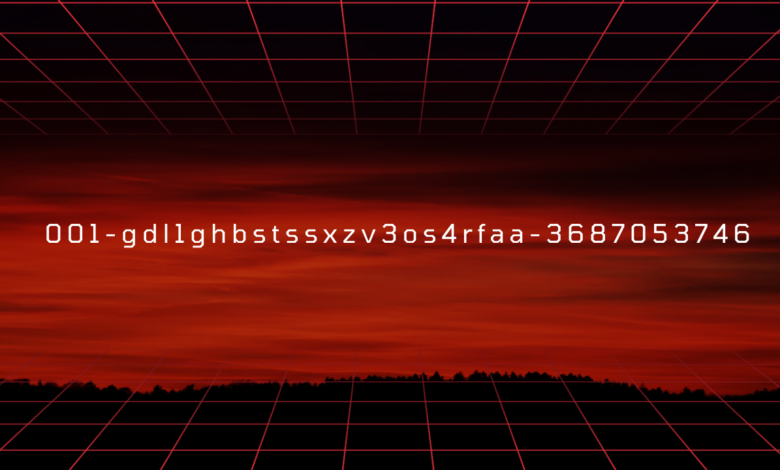
Understanding the Structure of Complex Identifiers
A unique identifier like 001-gdl1ghbstssxzv3os4rfaa-3687053746 is typically composed of several segments, each serving a specific purpose. The prefix “001” often denotes a version control number or a specific server node. This allows a distributed system to immediately identify where a piece of data originated. When dealing with global traffic, knowing the origin node is the first step in optimizing latency and ensuring data integrity.
The middle segment, consisting of a long string of letters and numbers, is usually a hash or a GUID (Globally Unique Identifier). This part of the string is designed to ensure that no two items in the entire universe of the application share the same identity. In a world where billions of data points are generated every second, the mathematical probability of a collision must be kept at a near-zero level. This complexity is what allows cloud services to function without overwriting critical user data.
The final numeric suffix, in this case, “3687053746,” often represents a timestamp or a checksum. This helps the system verify that the string hasn’t been corrupted during transmission. If a single digit is altered, the checksum will fail, alerting the system to a potential security breach or a technical error.
The Role of Unique Strings in Modern SEO and Web Development
For webmasters and SEO specialists, these strings often appear in URL structures, API responses, or tracking tokens. While they are not “human-friendly” keywords, they are vital for search engines to index specific, dynamic pages that might not have a traditional naming convention.
When a search engine bot crawls a site, it looks for these unique markers to distinguish between different versions of a page or to track user sessions without relying solely on cookies. This is particularly important in an era of heightened privacy regulations. By using server-side identifiers, developers can maintain a high level of user experience while adhering to strict data protection laws.
Security Implications and Data Encryption
One of the primary reasons for using a string as complex as 001-gdl1ghbstssxzv3os4rfaa-3687053746 is security. In the past, simple incremental IDs (like 1, 2, 3) were used for database entries. However, this made systems vulnerable to “Insecure Direct Object Reference” (IDOR) attacks, where a malicious actor could simply change the number in a URL to access someone else’s account.
By implementing long, non-predictable strings, developers create a “security through obscurity” layer. It becomes virtually impossible for a hacker to guess the next valid ID in a sequence. This practice is standard in banking, healthcare, and any industry handling sensitive personal information. It ensures that even if a URL is intercepted, the identifier itself provides no useful information about the nature of the data it points to.
Integration with Cloud Computing and Distributed Databases
As businesses move toward microservices and cloud-native architectures, the importance of these identifiers grows. In a monolithic system, a single database manages all IDs. In a microservices environment, dozens of different services might need to create and share IDs simultaneously.
The string 001-gdl1ghbstssxzv3os4rfaa-3687053746 is a perfect example of a format that works well in a distributed environment. Because it contains information about the node (001) and a high-entropy middle section, different servers can generate IDs at the same time without needing to “check in” with a central authority. This significantly boosts performance and prevents bottlenecks during high-traffic events, such as product launches or viral news cycles.

Troubleshooting Common Errors Related to Alphanumeric Identifiers
When working with these codes, users and developers may occasionally encounter errors like “Invalid Token” or “Resource Not Found.” These issues usually stem from a few common causes. The most frequent is a “copy-paste” error where a single character is omitted. Given the length of the string, a visual check is rarely sufficient; using programmatic validation is always recommended.
Another common issue is session expiration. Many unique identifiers are tied to a specific timeframe. If the timestamp encoded in the suffix has passed, the system will reject the string as a security measure. This is a common feature in “Magic Links” or password reset tokens. If you are encountering errors with this specific string, checking the system logs for a “timeout” or “expiration” flag is the best first step in the debugging process.
The Future of Identification: Beyond Alphanumeric Strings
While alphanumeric identifiers like 001-gdl1ghbstssxzv3os4rfaa-3687053746 are the current standard, the industry is already looking toward the future. Technologies like Decentralized Identifiers (DIDs) and blockchain-based hashing are beginning to emerge. These new methods aim to provide even greater security and user autonomy.
However, the core logic remains the same: the need for a unique, verifiable, and secure way to represent a digital entity. Whether it’s a user profile, a financial transaction, or a specific version of a web page, the principles of high entropy and structured metadata will continue to guide how we build the internet.
Best Practices for Managing Unique Identifiers on Your Website
If you are managing a website that utilizes these types of strings, there are several best practices to keep in mind. First, ensure that your URLs are canonicalized. Search engines can sometimes get confused by long strings in the URL, thinking they are duplicate content. Using a rel="canonical" tag tells Google which version of the page is the “master” copy.
Second, always use HTTPS. Because these strings often act as keys to sensitive data, transmitting them over an unencrypted connection is a major security risk. An SSL certificate ensures that the identifier is encrypted from the moment it leaves the server until it reaches the user’s browser.
Finally, consider the user interface. While the backend needs the full 001-gdl1ghbstssxzv3os4rfaa-3687053746 string, the user rarely does. Using URL shortening or “slugs” can help keep your site looking professional while the complex identifiers do the heavy lifting behind the scenes.
Conclusion: The Invisible Infrastructure of the Internet
In conclusion, while a string like 001-gdl1ghbstssxzv3os4rfaa-3687053746 might look like a technical glitch to a casual observer, it is actually a highly engineered tool for the modern web. It enables global scalability, ensures robust security, and allows for the seamless management of vast amounts of data.
By understanding the components, the prefix, the hash, and the suffix, we gain insight into how digital systems stay organized and secure. As we move forward into a more connected and data-driven world, these “invisible” strings will remain a critical part of the infrastructure that keeps the internet running smoothly and safely for everyone. Whether you are a developer debugging a system or a site owner looking to optimize your SEO, respecting the power of the unique identifier is key to digital success.
Also Read: When is ustudiobytes Released: Everything You Need to Know About the Launch





One Comment